Common Paver Installation Mistakes (Hand Tamping, Bad Base & More)
September 2, 2026
8 min read
A professionally installed patio should provide years of enjoyment, but even quality pavers can develop problems if they're installed incorrectly. At Elite Pavers Solutions, we've repaired patios that looked great at first but began sinking, shifting, or separating because important steps were skipped during installation. Many of these issues could have been avoided by following proven installation practices from the very beginning.
Knowing what can go wrong helps you make a more informed decision when choosing a contractor. Understanding these common paver installation mistakes also gives you a better idea of what separates a lasting installation from one that requires repairs sooner than expected.
Why Small Installation Mistakes Lead to Big Problems
Not every installation mistake causes immediate failure. Some patios look perfectly level when the project is finished, only to develop uneven areas months or years later as the ground settles and weather takes its toll.
Because each step of the installation process builds on the one before it, one shortcut can affect the entire patio. That's why experienced contractors focus on every detail instead of rushing through the job.
Mistake #1: Building on an Inadequate Base
A patio is only as strong as the foundation beneath it. Installing pavers over loose soil or a poorly prepared base for pavers increases the likelihood of settling, shifting, and uneven surfaces over time.
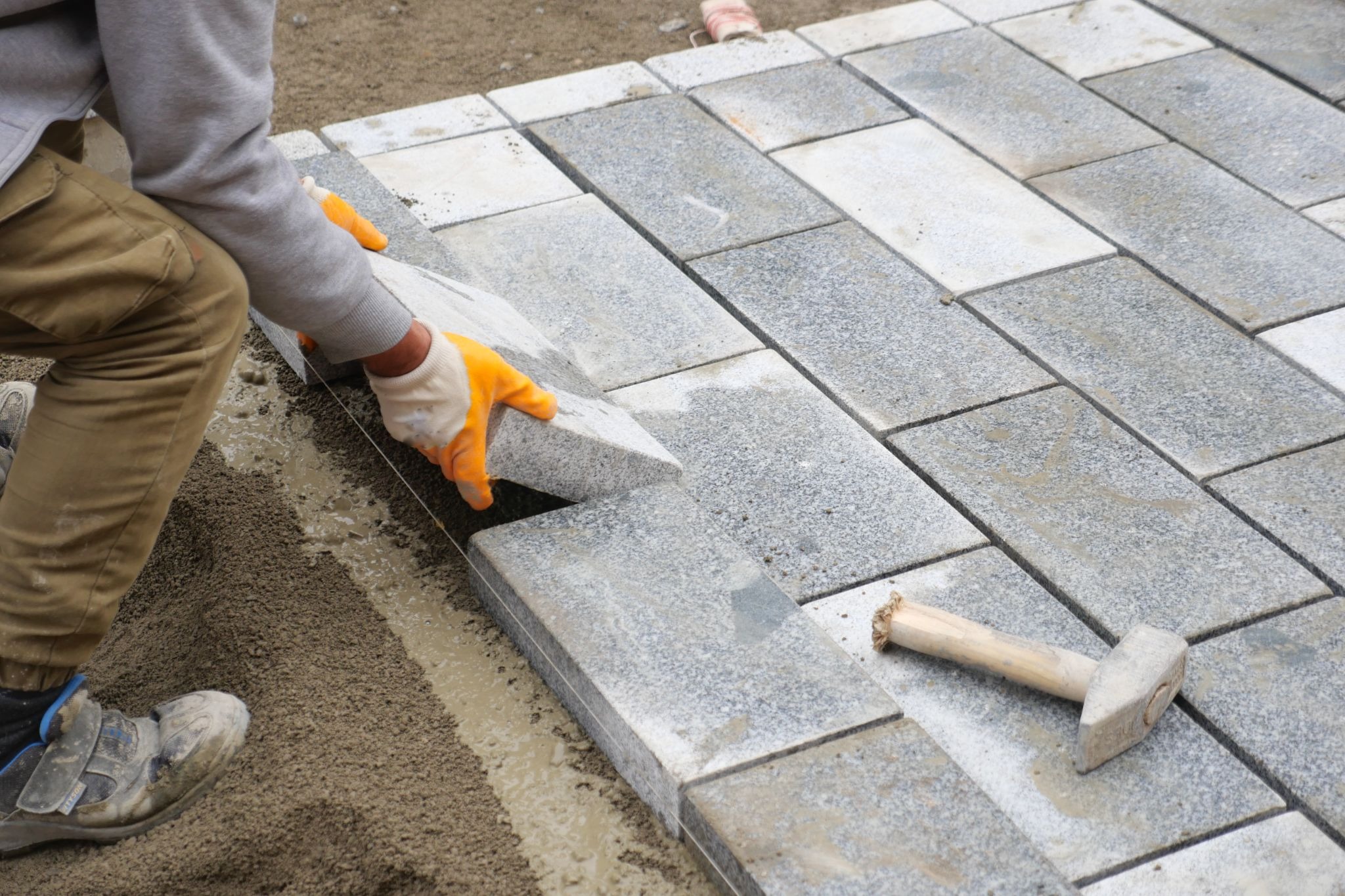
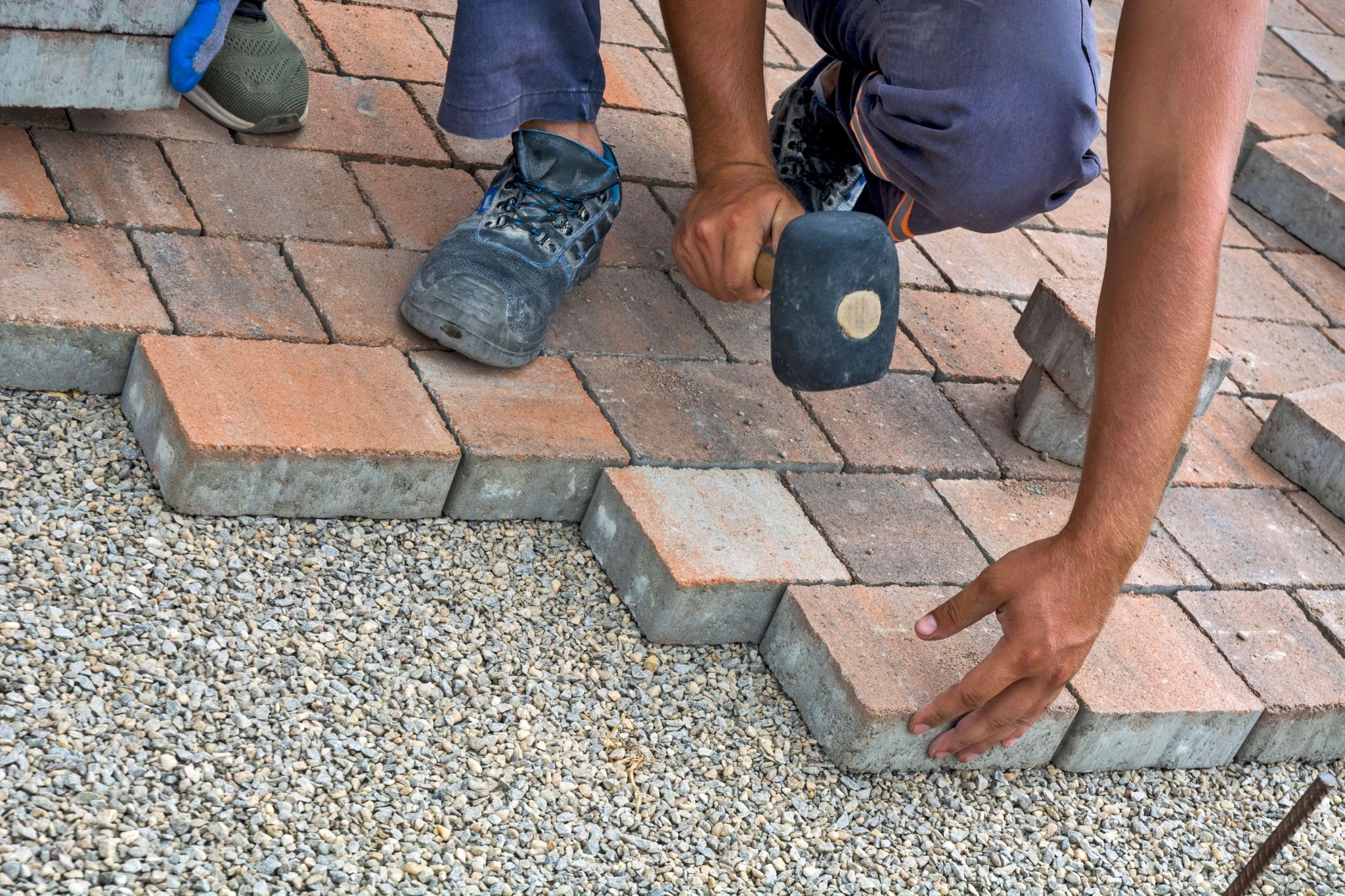
A proper paver base installation includes excavation, a stable gravel base, proper compaction, and bedding sand before the pavers are installed. Skipping any of these steps can shorten the life of the patio and lead to repairs that could have been avoided.
Mistake #2: Relying on Hand Tamping Instead of Plate Compaction
Hand tampers can be useful for very small touch-up areas, but they cannot produce the same level of compaction as a mechanical plate compactor. Relying on manual tools alone often leaves weak spots hidden beneath the surface.
Professional crews compact the base using equipment designed to create a dense, stable foundation. This helps the patio resist settling while providing consistent support across the entire installation.
Mistake #3: Skipping Geotextile Fabric
Geotextile fabric is one of the most overlooked parts of the paver installation process, yet it plays an important role beneath many patios. It separates the natural soil from the gravel base, helping each layer maintain its strength over time.
Without this barrier, soil can gradually mix into the gravel, reducing the stability of the foundation. In areas with heavy rainfall, that loss of separation can contribute to settling and uneven sections later.
Mistake #4: Not Compacting the Base in Lifts
Dumping the entire gravel base into the excavation before compacting may save time, but it doesn't create the strong foundation a patio needs. Thick layers are difficult to compact evenly, leaving softer areas below the surface.
Instead, experienced installers place the gravel in multiple lifts and compact each layer before adding the next. This method creates a stronger paver patio foundation that distributes weight more evenly and helps support the patio for years to come.
Mistake #5: Using Weak or Missing Edge Restraints
Edge restraints help keep the entire patio locked together. Without them, the pavers along the outside can gradually shift outward as the patio experiences foot traffic, changing temperatures, and natural ground movement.
A properly installed edge restraint keeps the pattern tight and helps maintain straight, clean edges. While it's a detail many homeowners never notice, it plays an important role in the long-term performance of the patio.
Mistake #6: Ignoring Drainage During Installation
A patio should do more than provide an attractive outdoor space; it should also move water away from your home. If the surface isn't graded correctly, rainwater can collect on the patio or drain toward the foundation instead of flowing away.
Proper drainage is planned before installation begins. Taking the time to establish the correct slope helps reduce standing water while protecting both the patio and the surrounding landscape.
How Professional Installation Prevents These Problems
Quality installation is about following every step instead of looking for shortcuts. From preparing the base for pavers to placing the final joint sand, each part of the project contributes to the finished result.
Professional installers use the right equipment, quality materials, and proven installation methods to create patios that stay level and perform well over time. They also understand how local soil and weather conditions affect outdoor surfaces, allowing them to build with long-term durability in mind.
When comparing contractors, don't hesitate to ask how they prepare the base, compact the materials, and manage drainage. A company that takes pride in its work should be happy to explain its process and the steps it takes to help protect your investment.
Choose a Contractor That Doesn't Cut Corners
The quality of your patio depends on far more than the pavers you choose. Proper preparation, careful installation, and attention to detail all work together to create an outdoor space that looks great and performs well for years.
At Elite Pavers Solutions, we follow proven installation practices from the ground up to help homeowners enjoy durable patios, walkways, driveways, and pool decks. Contact our team today to learn more about our installation process and schedule a consultation with one of our professional paver contractors.
Frequently Asked Questions
Can existing pavers be reused if an installation mistake needs to be corrected?
In many situations, yes. If the pavers are still in good condition, they can often be lifted, the underlying problem corrected, and the original pavers reinstalled, helping reduce the overall repair cost.
Does the size of the patio affect how it's installed?
The same installation principles apply to both small and large patios, but larger projects often require additional planning for grading, expansion, and drainage to maintain a consistent finished surface.
How can I tell if a contractor follows proper installation practices?
Ask questions about excavation depth, base preparation, compaction equipment, drainage, and edge restraints. A professional contractor should clearly explain each step and why it's important instead of giving vague or incomplete answers.
Discover What Affects the Cost of a Paver Patio
Understanding proper installation is only part of planning your project. Next, read How Much Does a Paver Patio Cost? (20x20, 1000 Sq Ft & Per-Foot Breakdown) to learn what influences pricing, what different patio sizes typically cost, and why quality installation is an investment that pays off over time.
GOT A PAVER PROJECT IN MIND?
Free estimates across Cape Coral, Fort Myers, Naples and beyond.

.jpeg)
.webp)