Pavers vs Concrete: Cost, Lifespan & Which Lasts Longer in Sarasota County
September 2, 2026
8 min read
Choosing the right material for your new patio, driveway, or walkway is an important decision. At Elite Pavers Solutions, homeowners often ask whether pavers or concrete for a patio is the better investment. While both materials have their advantages, the right choice depends on your budget, long-term goals, and how well the surface will perform in Sarasota County's climate.
Comparing pavers vs concrete isn't just about the upfront price. Repair costs, maintenance, durability, and overall lifespan all play a role in determining which option offers the best value over time.
Comparing Pavers and Concrete at a Glance
Before taking a closer look at each option, here's a quick comparison of some of the biggest differences.
Initial Cost
Pavers: Higher
Concrete: Lower
Lifespan
Pavers: Long with proper maintenance
Concrete: Long, but cracks may develop
Repairs
Pavers: Individual pavers can be replaced
Concrete: Repairs are often noticeable
Design Options
Pavers: Many colors, shapes, and patterns
Concrete: More limited customization
Expansion
Pavers: Easy to extend later
Concrete: Matching existing concrete can be difficult
Ground Movement
Pavers: Individual units allow some flexibility
Concrete: Solid slab is more prone to cracking
Both materials can create an attractive outdoor space, but their long-term performance differs in several important ways.
Upfront Cost: Which Option Fits Your Budget?
For many homeowners, price is the first factor they consider. In most cases, the concrete vs pavers cost comparison favors concrete during the initial installation because the materials and labor are generally less expensive.
Pavers typically require a larger upfront investment due to the additional preparation, materials, and installation time involved. However, that higher initial cost often comes with greater design flexibility and the ability to repair individual sections without replacing the entire surface.
If your primary goal is minimizing installation costs, concrete may seem like the better choice. If you're focused on long-term performance and appearance, pavers often provide additional value over the life of the project.
How Sarasota County Weather Affects Each Material
Sarasota County's climate can be demanding on outdoor surfaces. Heavy rain, intense sunlight, high humidity, and shifting sandy soil all influence how well patios and driveways perform over time.
Concrete slabs are rigid, which means they can develop cracks as the ground naturally expands, contracts, or settles. While not every slab experiences significant cracking, movement beneath the surface can eventually become visible.
Pavers are installed as individual units that work together as a system rather than one solid slab. That flexibility allows them to better accommodate minor ground movement, making them a popular choice for many Sarasota County homeowners.
Which Surface Is Easier to Repair?
Every outdoor surface experiences wear over time, whether from weather, tree roots, or everyday use. The difference lies in how those issues are repaired.
When concrete develops significant cracks or settlement, repairs often remain visible even after they're completed. In some situations, replacing an entire section becomes the most practical solution to restore the appearance of the surface.
With a paver patio vs a concrete patio, repairs are often more localized. Individual pavers can frequently be removed, the underlying issue corrected, and the pavers reset without replacing the entire installation. This approach can make future maintenance more manageable while helping preserve the overall appearance of the patio.
Long-Term Value Matters More Than Initial Price
While the upfront price is important, it's only part of the overall investment. Maintenance, repairs, lifespan, and appearance all contribute to the value you'll receive from your outdoor space over the years.
Concrete may cost less initially, but repairing cracks or replacing damaged sections can become more expensive over time. Color variations between old and new concrete can also make repairs more noticeable, especially after years of exposure to the elements.
Pavers generally require a larger investment at the beginning, but they offer advantages that many homeowners appreciate over the long term. Individual repairs are often simpler, expanding an existing patio is usually easier, and there's no large slab that can crack across the entire surface.
Which Option Is Right for Your Home?
There's no single answer that's right for every homeowner. The best choice depends on your priorities, your budget, and how you plan to use your outdoor space.
Pavers may be the better option if you want:
A wide selection of colors, textures, and laying patterns.
An outdoor surface that's easier to repair if damage occurs.
A patio or driveway that can be expanded more easily in the future.
A premium appearance that complements your landscaping.
Concrete may be a good fit if you:
Have a tighter initial budget.
Prefer a simple, clean appearance.
Need a straightforward installation for a basic outdoor space.
Taking the time to compare both materials can help you choose a surface that fits your home's needs today while continuing to perform well for years to come.
Find the Best Solution for Your Outdoor Space
Choosing between pavers and concrete is an important decision, and understanding the benefits of each option can help you invest with confidence. Whether you're planning a new patio, driveway, pool deck, or walkway, selecting the right material starts with understanding your goals and the conditions around your home.
At Elite Pavers Solutions, our paver contractors help homeowners compare materials, discuss design options, and choose solutions that fit their budget, lifestyle, and long-term expectations. Contact our team today to schedule a consultation and learn which option is the best fit for your next outdoor project.
Frequently Asked Questions
Do pavers become hotter than concrete during the summer?
Both materials absorb heat, but the surface temperature can vary depending on the color and finish you choose. Lighter-colored pavers and concrete generally stay cooler than darker options during periods of direct sunlight.
Can both pavers and concrete be used around swimming pools?
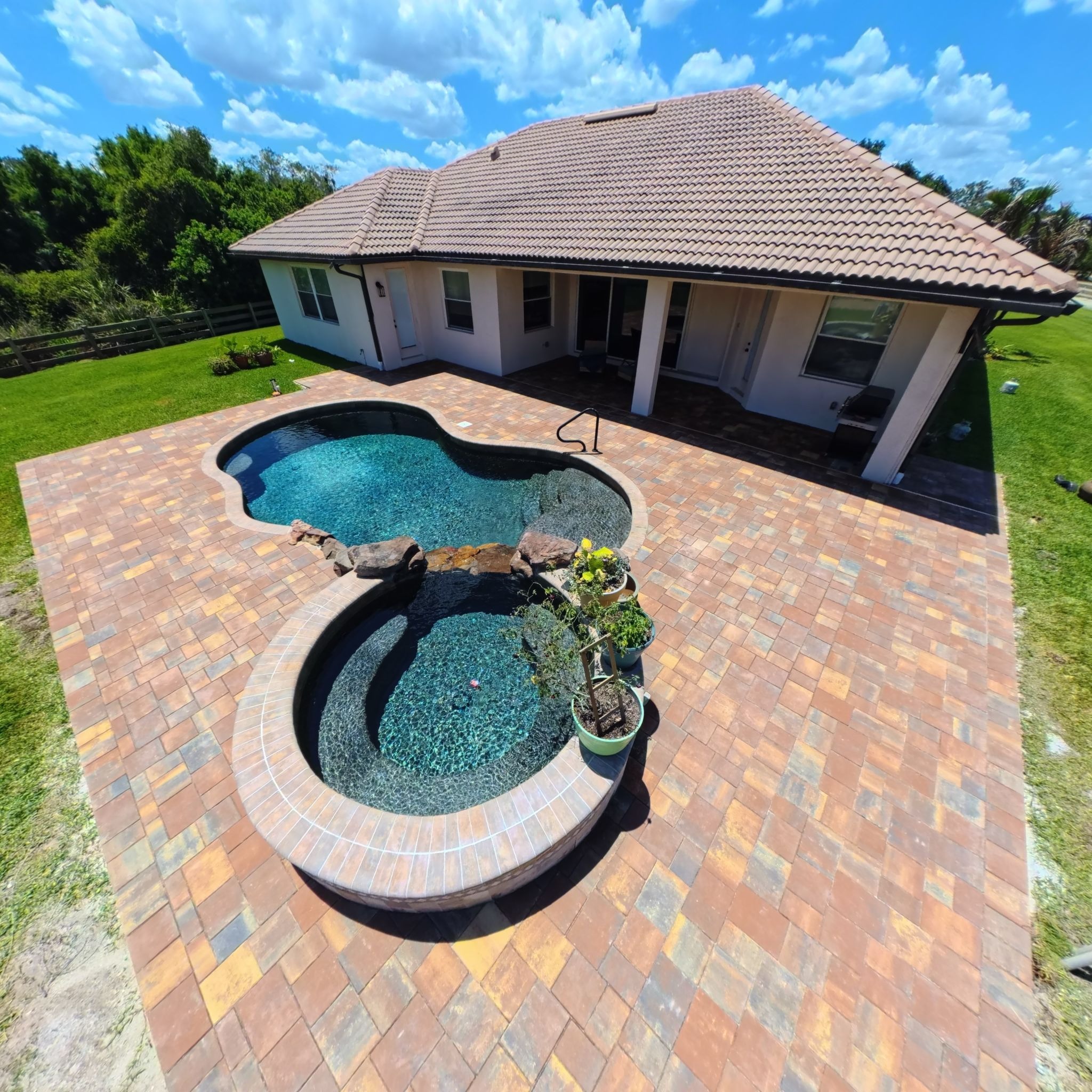
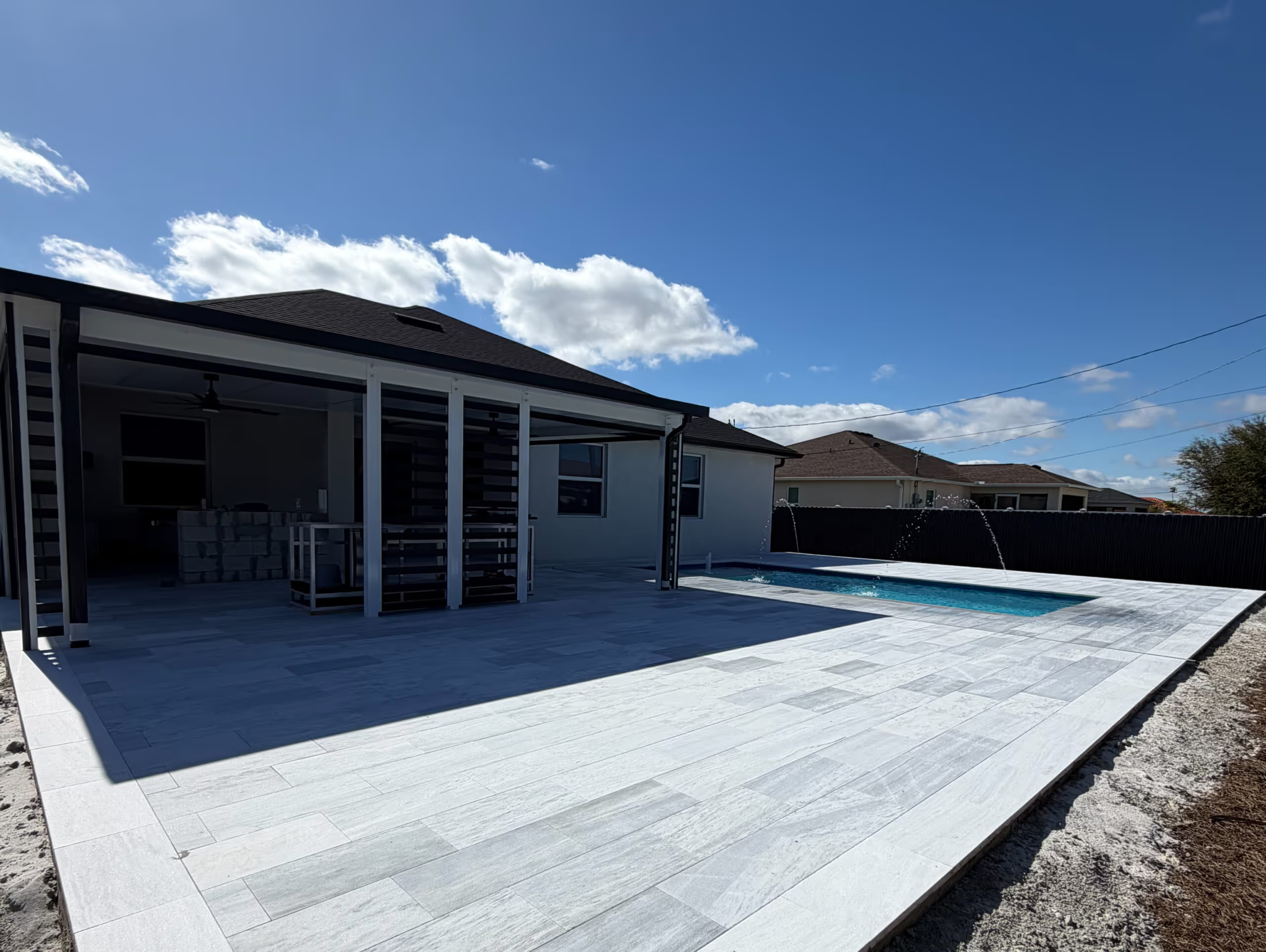
Yes. Both materials are commonly used for pool decks, although many homeowners choose pavers because of their wide range of styles and the ability to repair individual sections if needed.
Which option typically adds more curb appeal?
Both can improve the appearance of a home, but pavers generally provide more opportunities for customization. The variety of colors, patterns, and textures makes it easier to create a distinctive outdoor space that complements the home's architecture.
Explore More Paver Tips and Outdoor Project Ideas
Whether you're planning a new patio or simply exploring your options, learning more about proper installation and maintenance can help you make informed decisions. Visit the Elite Pavers Solutions blog to discover additional articles covering paver installation, outdoor living improvements, repairs, maintenance tips, and ideas for getting the most out of your investment.
GOT A PAVER PROJECT IN MIND?
Free estimates across Cape Coral, Fort Myers, Naples and beyond.

.webp)