The Right Paver Base: Why Sand Alone (or Dirt) Will Ruin Your Patio
September 2, 2026
8 min read
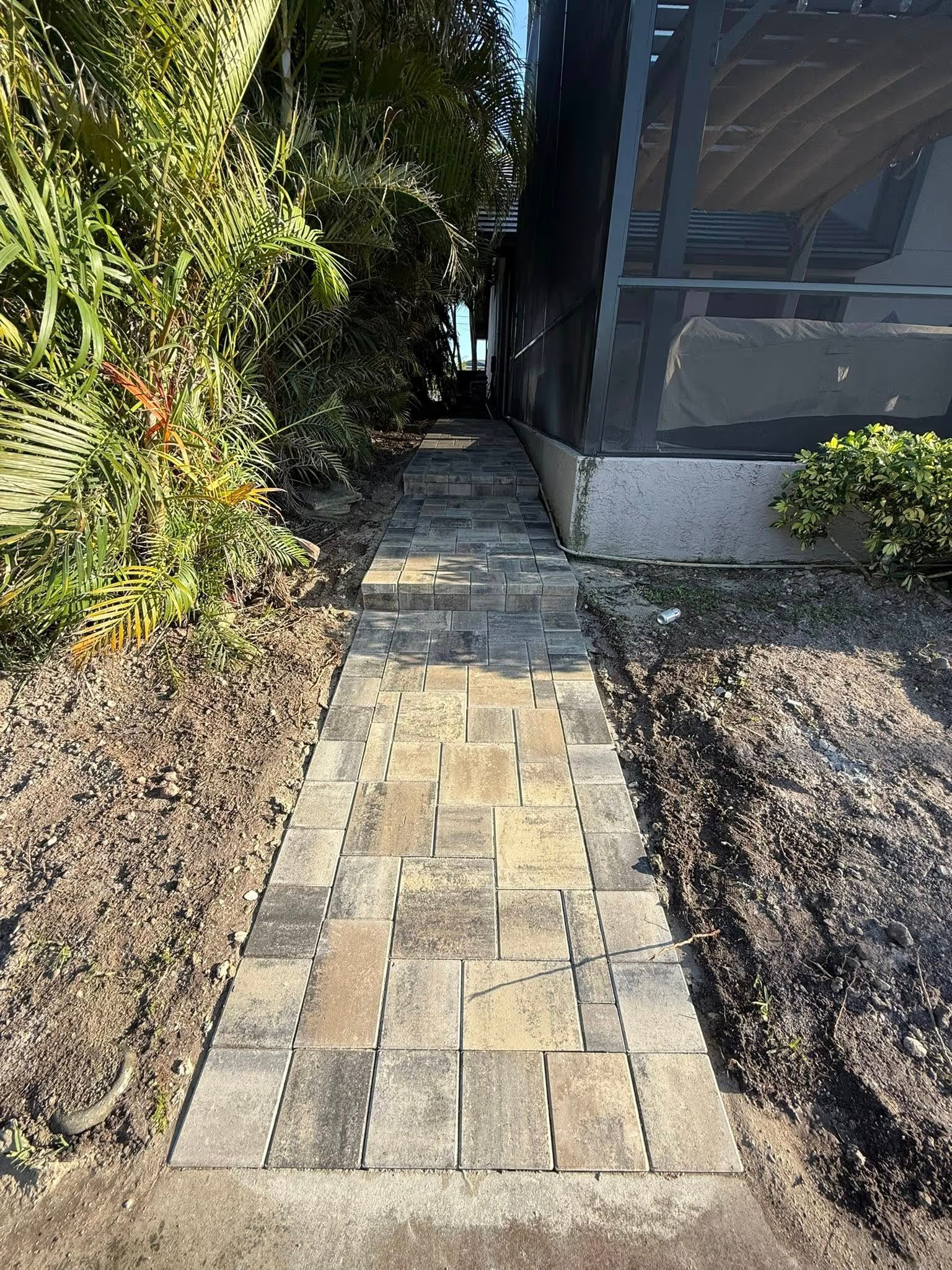
A beautiful patio starts long before the first paver is placed. At Elite Pavers Solutions, we've seen homeowners invest in new outdoor spaces only to experience settling, uneven pavers, and drainage problems because shortcuts were taken beneath the surface. The quality of the paver base plays a major role in how well your patio performs for years to come.
While laying pavers over sand or dirt may seem like a quicker solution, it often leads to expensive repairs later. Understanding how to build a paver base the right way helps you see why every layer matters and what separates a long-lasting installation from one that begins failing after just a few seasons.
Your Patio Is Only as Strong as the Ground Beneath It
The pavers on top may be the most noticeable part of your patio, but the hidden layers underneath do the hard work. A properly prepared base for pavers supports the surface, spreads weight evenly, and helps keep the patio level over time.
In Southwest Florida, heavy rain and sandy soil can cause the ground to shift if it isn't prepared correctly. A strong paver patio foundation helps manage those conditions, reducing the risk of uneven settling, standing water, and premature repairs.
What Happens When Pavers Are Installed Over Dirt or Sand Alone?
Skipping important preparation steps might save time during installation, but those shortcuts often create problems that become more noticeable with each passing year. Dirt naturally settles, while loose sand alone cannot provide the stable support needed for a durable patio.
As the ground moves, the pavers move with it. Homeowners often begin noticing issues like:
Uneven or sunken pavers
Standing water after rain
Gaps forming between pavers
Edges that begin spreading apart
Loose or shifting sections
More weeds growing through the joints
These problems usually aren't caused by the pavers themselves. Instead, they point to an inadequate paver base installation beneath the surface.
Every Layer of a Proper Paver Base Has a Purpose
A quality patio isn't built on one layer of material. It relies on several layers working together to create a stable foundation that can handle weather, foot traffic, and everyday use. When one layer is skipped, the entire system becomes weaker.
Excavation Creates a Stable Starting Point
Every project should begin by removing grass, roots, and unstable soil before construction starts. Proper excavation creates enough space for the materials that will support the patio while also allowing installers to establish the correct grade for water runoff.
Without adequate excavation, the remaining layers may not be thick enough to provide long-term stability during the paver installation process.
Geotextile Fabric Helps Keep the Base Stable
Geotextile fabric separates the natural soil from the gravel base, helping each layer perform its intended job. Without it, soil and gravel can gradually mix, reducing the strength of the foundation.
This added layer is especially valuable in Southwest Florida, where frequent rainfall can place extra stress on the ground beneath a patio.
Compacted Gravel Builds the Strength Your Patio Needs
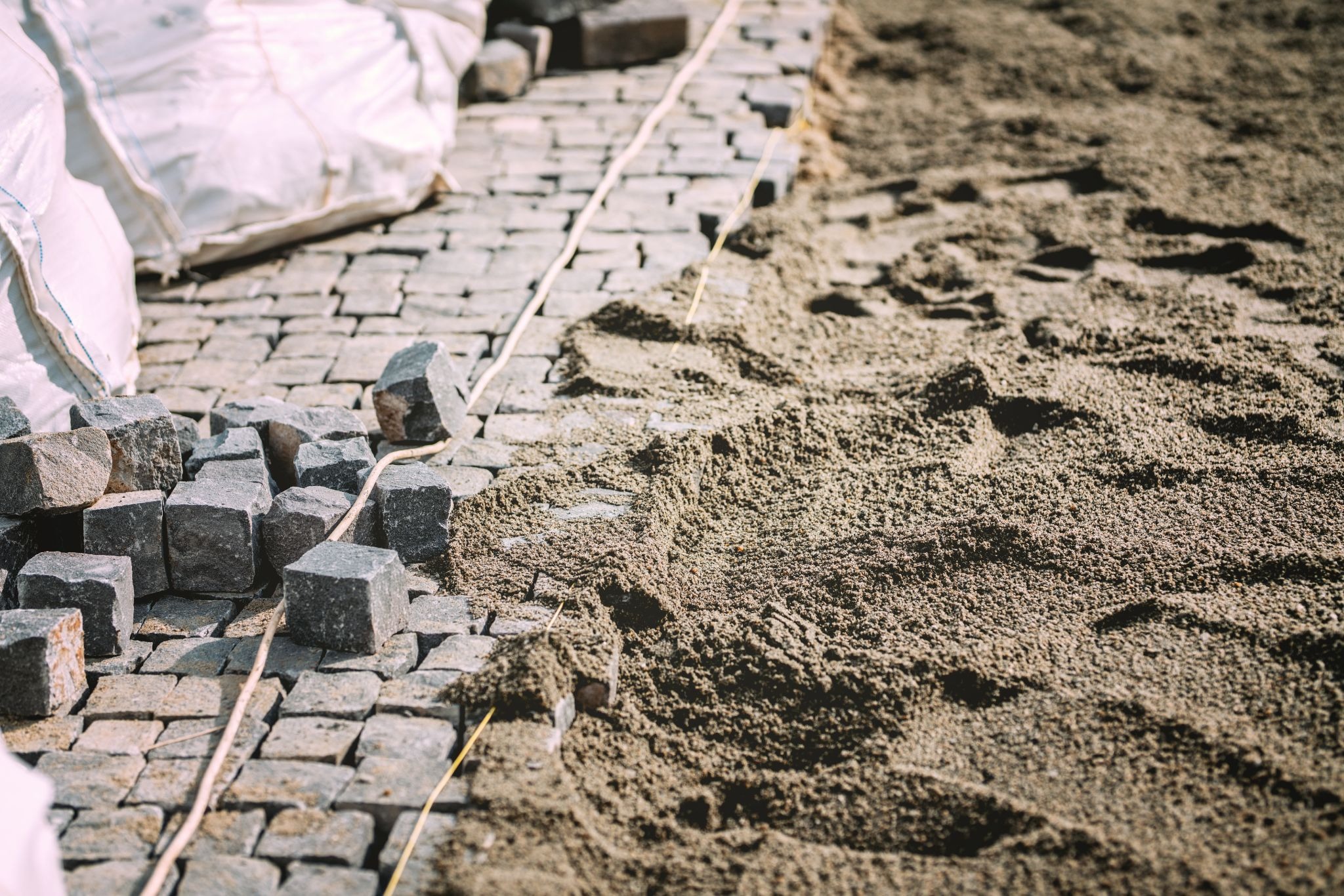
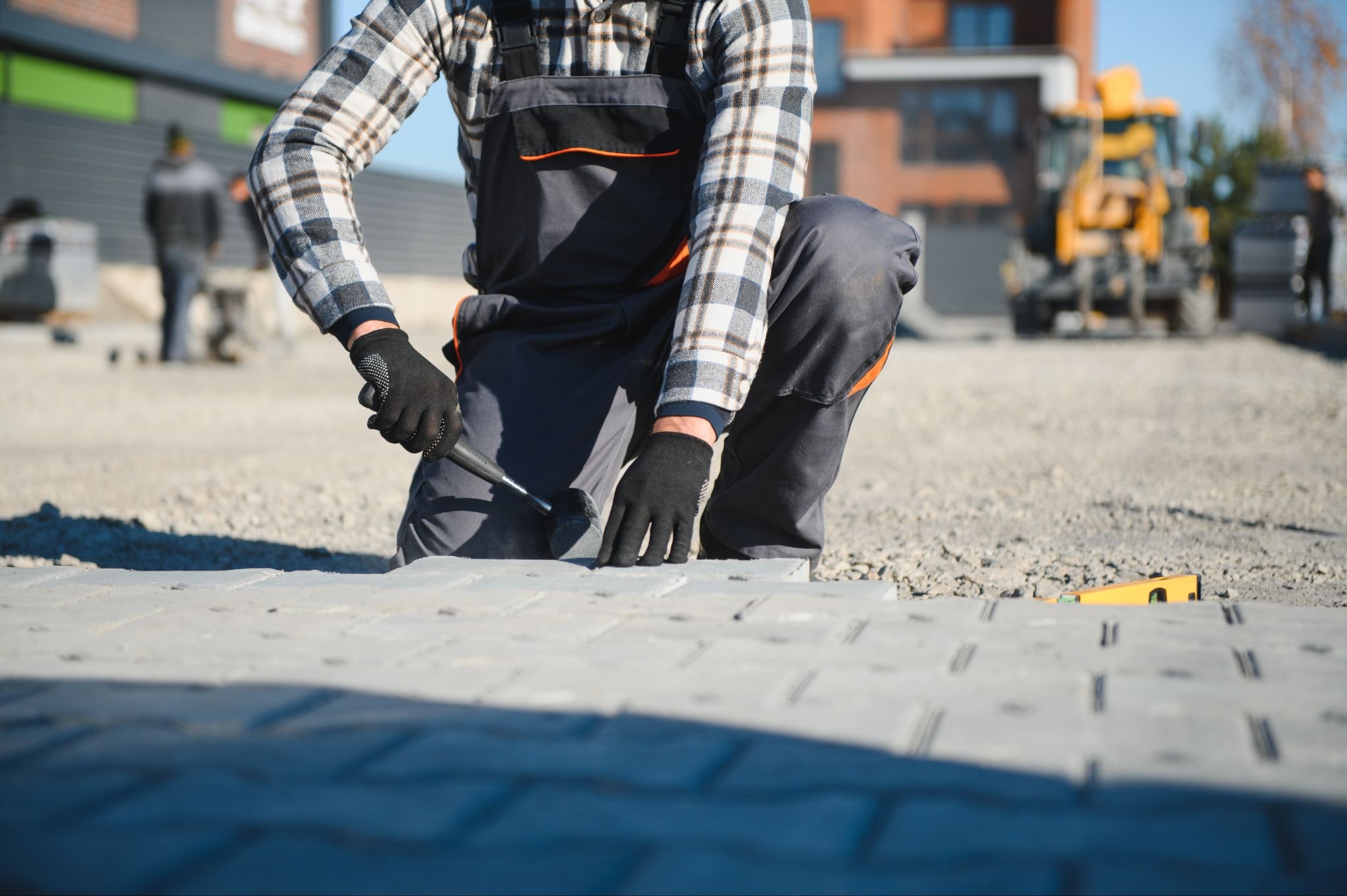
The gravel layer forms the structural backbone of a paver base. Rather than installing it all at once, experienced crews place and compact it in multiple lifts to create a dense, stable foundation.
This process helps distribute weight evenly across the patio while reducing the chances of future settling. Skipping proper compaction can leave weak spots that may not appear until months or even years after installation.
Bedding Sand Is a Finishing Layer, Not the Foundation
One of the biggest misconceptions about patios is that sand alone can support the entire surface. In reality, bedding sand is only meant to create a smooth, even setting bed for the pavers after the structural layers are already in place.
Because sand naturally shifts and washes away over time, it cannot replace a properly compacted gravel base. When it's used as the primary foundation, the pavers are far more likely to settle unevenly, creating low spots and trip hazards that require costly repairs.
What Failure Looks Like When One Layer Is Missing
Every layer of a paver base serves a purpose, so removing just one can affect the performance of the entire patio. While problems don't always appear immediately, they often become more noticeable after heavy rains and regular use.
Here are a few examples of what can happen when important steps are skipped:
Poor excavation: The patio settles because the ground underneath wasn't properly prepared.
No geotextile fabric: Soil mixes with the gravel, weakening the foundation over time.
Insufficient gravel base: Sections begin sinking or shifting under normal foot traffic.
Improper compaction: Hidden air pockets lead to uneven settling months after installation.
Too much bedding sand: Pavers move more easily, causing an uneven walking surface.
Most of these failures require lifting sections of the patio so the foundation can be rebuilt before the pavers are reinstalled. That makes proper preparation far more affordable than repairing avoidable problems later.
Why Proper Base Preparation Costs More Up Front but Saves Money Later
Homeowners often compare installation estimates without realizing that every contractor may not be building the same patio. A lower price sometimes reflects fewer materials, less excavation, or shortcuts during the paver installation process.
Although a properly constructed paver base requires more time and labor, it helps reduce the likelihood of future repairs. Investing in quality preparation from the beginning can help you avoid expenses associated with resetting pavers, correcting drainage issues, or rebuilding sections that begin to fail.
Rather than focusing only on the initial installation price, it's worth considering the long-term value of a patio that's built to withstand years of weather and everyday use.
Build Your Patio on a Foundation That Lasts
A new patio is a significant investment, and the quality of the installation determines how well it performs over time. At Elite Pavers Solutions, we build every project with careful attention to the foundation beneath the surface, helping homeowners enjoy outdoor spaces that remain attractive, stable, and functional for years to come.
If you're planning a new patio and want to learn more about our installation process, contact our paver contractors today to schedule a consultation and receive a detailed estimate for your project.
Frequently Asked Questions
How deep should a patio base be for areas with heavy foot traffic?
Patios that will see frequent use or support heavier features may require a deeper base than smaller seating areas. The exact depth depends on the soil conditions, the intended use, and the recommendations for the specific project.
Can an old patio be rebuilt without replacing all the pavers?
In many cases, yes. If the existing pavers remain in good condition, they can often be removed, the foundation rebuilt correctly, and the original pavers reinstalled instead of purchasing new materials.
Does the type of paver change how the base is built?
While different paver materials may have unique installation considerations, the underlying foundation still needs to provide consistent support. The thickness of certain layers may vary depending on the application, but proper base preparation remains essential.
Continue Learning About Quality Paver Installation
A strong foundation is only one part of a successful project. Next, learn about the installation shortcuts that can lead to premature failures by reading Common Paver Installation Mistakes (Hand Tamping, Bad Base & More). You'll discover what separates professional workmanship from quick fixes and what to look for before hiring a contractor.
GOT A PAVER PROJECT IN MIND?
Free estimates across Cape Coral, Fort Myers, Naples and beyond.

%20Will%20Ruin%20Your%20Patio.jpeg)
.webp)