Permeable Pavers: Do They Solve Drainage Problems?
September 2, 2026
8 min read
Water pooling across a patio or rushing down a driveway can make permeable pavers sound like an easy fix. However, the pavers you see are only one part of the drainage equation. At Elite Pavers Solutions, we assess how water enters, moves through, and leaves an outdoor area before deciding which paving approach makes sense.
A permeable surface can manage substantial amounts of rainfall when the entire assembly underneath it is designed for infiltration. Still, it cannot correct every drainage problem. Soil conditions, groundwater, surrounding elevations, runoff volume, and the construction beneath the pavers all influence what happens during a Southwest Florida downpour.
How Do Permeable Pavers Actually Manage Water?
Traditional paver surfaces usually have narrow joints filled with jointing material. Rain primarily moves across the finished surface toward a lower area, drain, or surrounding landscape.
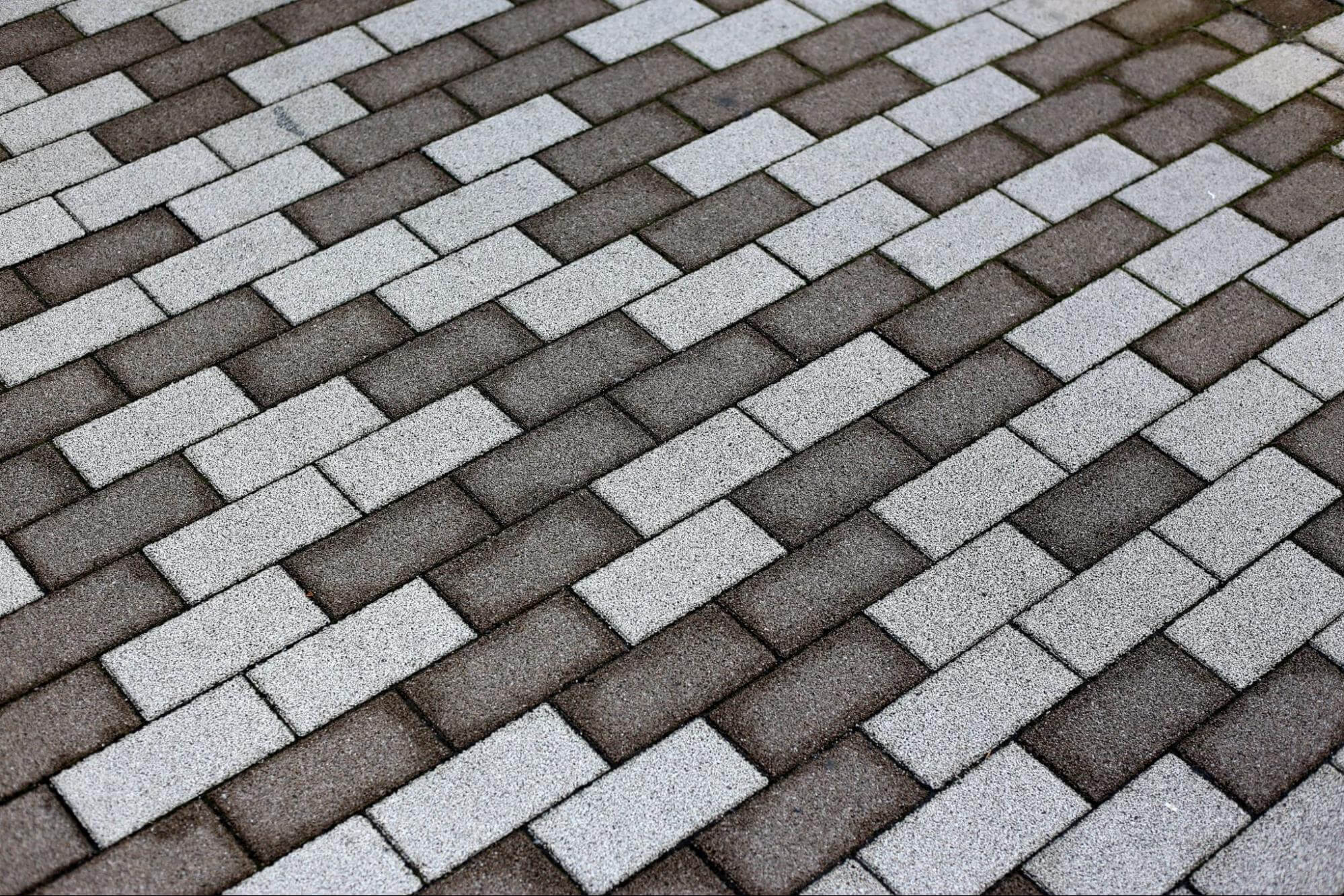
A permeable paver system takes a different approach. Pavers typically have wider openings or joints that let rain enter the pavement rather than forcing it across the top. Those openings contain clean, open-graded aggregate instead of conventional joint sand.
Water then travels into layers of stone underneath the surface. Because these aggregates contain open spaces between the individual pieces, they create temporary storage for incoming rain. From there, water may infiltrate into the underlying soil or move toward another drainage component included in the design.
That distinction matters. The system is not simply a patio with bigger gaps between the blocks. Its ability to handle water depends heavily on what exists several inches below your feet.
What Goes Under a Permeable Paver System?
The construction beneath permeable pavement differs from a conventional paver patio. Instead of using materials with enough fine particles to create a dense base, the system relies on washed aggregate with interconnected voids that let water pass through.
A typical permeable paver installation may include the pavers, joint aggregate, a smaller open-graded bedding stone, and deeper layers of larger aggregate. The depth and exact materials depend on expected traffic, soil conditions, anticipated rainfall, and how much water the stone reservoir needs to hold.
The underlying soil also matters. Water that reaches the bottom of the stone reservoir needs somewhere to go. A site with favorable infiltration may allow water to enter the native soil, while a location with slower infiltration may require a different design or an outlet that moves excess water elsewhere.
Can a Permeable Paver Patio Stop Standing Water?
A permeable paver patio can reduce surface ponding when rainfall can enter the joints and the layers underneath have enough capacity to receive it. Instead of collecting on top, water gets access to storage space beneath the patio.
However, permeable pavement cannot make unlimited quantities of water disappear. Imagine a low patio receiving its own rainfall plus runoff from a roof, neighboring hardscape, and an elevated section of the yard. The amount of incoming water may exceed what the pavement was designed to manage.
Finding the source of the water therefore comes before choosing the solution. Sometimes the patio itself needs better drainage. In other situations, changing where a downspout discharges or intercepting runoff before it reaches the patio tackles the actual cause.
Soil Conditions Can Change the Answer
Southwest Florida presents an interesting challenge because soil conditions can vary considerably from one property to another. Sandy material may accept water quickly in some locations, but that does not automatically mean every site is ideal for infiltration.
Groundwater depth is another consideration. During the rainy season, groundwater can rise and reduce the amount of unsaturated soil available beneath a pavement system. If the ground below is already holding significant moisture, water entering from above has fewer places to travel.
That is why choosing pavers for drainage based solely on the visible puddle misses an important part of the problem. Site elevation, soil behavior, groundwater conditions, and the amount of runoff reaching the area all deserve attention before deciding how the pavement should manage rain.
Are Permeable Driveway Pavers Different From Patio Pavers?
A driveway introduces vehicle loads that a backyard seating area does not experience. As tires repeatedly travel over the same areas, the pavement and underlying aggregate must support that weight without developing depressions or shifting.
For that reason, permeable driveway pavers require a base designed around both drainage and structural demands. The stone reservoir may need greater depth, and the selected paver must be suitable for vehicular traffic.
Water entering the driveway also needs a planned route. If the surrounding property sends runoff toward the driveway, the design has to account for more than rain falling directly onto the pavement. Calculating what the system needs to receive is just as important as selecting the paver itself.
Permeable Pavers Have Limits
Permeable pavement works best when the drainage issue matches what the system is designed to accomplish. It can reduce surface runoff and give rainfall a route into an underground stone reservoir, but several situations call for additional planning.
For example, a property may have runoff entering from an adjacent slope, roof drainage emptying beside the pavement, or a low area that collects water from several directions. In these cases, the pavement may become only one component of the solution.
Where the water goes remains the central question. If the native soil cannot receive it quickly enough, the system needs another way to handle excess volume. Installing permeable pavement without answering that question simply moves the water beneath the surface without resolving where it ultimately goes.
The Joints Need to Stay Open
The spaces between permeable pavers perform actual drainage work. Over time, fine sediment, landscaping debris, soil, and organic material can collect near the surface and reduce how quickly water enters those openings.
Surrounding landscaping affects this process more than many homeowners expect. Bare soil next to the pavement can wash sediment into the joints during storms, while leaves and other debris can accumulate if they remain on the surface for extended periods.
Maintenance therefore focuses partly on preserving infiltration through the joints. Keeping sediment from continually washing onto the pavement helps the system continue accepting rainfall instead of gradually behaving more like a conventional hard surface.
When Another Drainage Solution May Make More Sense
Not every wet area needs permeable pavement. Sometimes the simplest solution is to keep the existing type of surface and give runoff a clearer route away from it.
Surface grading may work when water only needs a defined path toward an appropriate discharge area. Channel drains can collect water along patio edges, pool decks, or other locations where runoff concentrates. Other sites may need catch basins, underground piping, or systems that intercept water before it reaches the paved area.
The important part is matching the solution to the water source. A drainage feature that works wonderfully for rainfall landing directly on a patio might do very little for hundreds of gallons arriving from somewhere else on the property.
Decide Where the Water Should Go Before Choosing the Pavers
A drainage plan should answer three basic questions: Where is the water coming from? How much water reaches the area? Where can that water safely go?
Once those questions have answers, deciding whether a permeable paver system fits the project becomes much easier. On the right site, it can reduce runoff while creating an attractive patio, walkway, or driveway. On another property, conventional pavers paired with a separate drainage feature may make more sense.
That neutral approach is important because neither system automatically wins. The best choice responds to the conditions on the individual property instead of treating every puddle as the same drainage problem.
Plan the Surface and Drainage Together
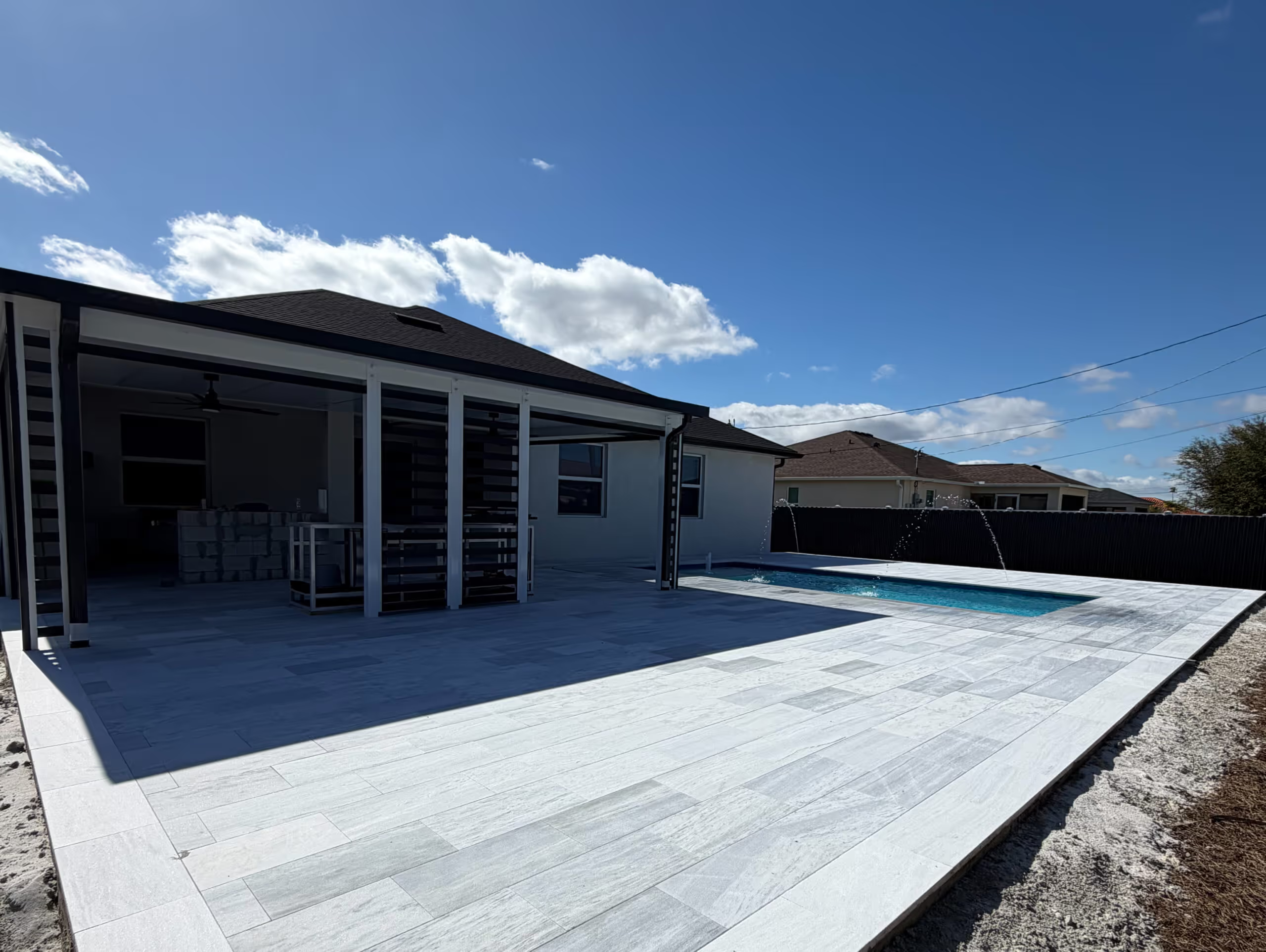
If you are replacing an existing hardscape or planning a new patio, walkway, or driveway, consider drainage before construction starts. Elite Pavers Solutions can evaluate the paving area, discuss where runoff currently travels, and help you determine whether a permeable design or another approach fits the project.
Contact our paving contractors today to discuss your outdoor space and request an estimate. Planning the pavement and water management together gives you a clearer picture of what needs to happen before the first paver goes down.
Frequently Asked Questions
Can permeable paving be installed in different colors and patterns?
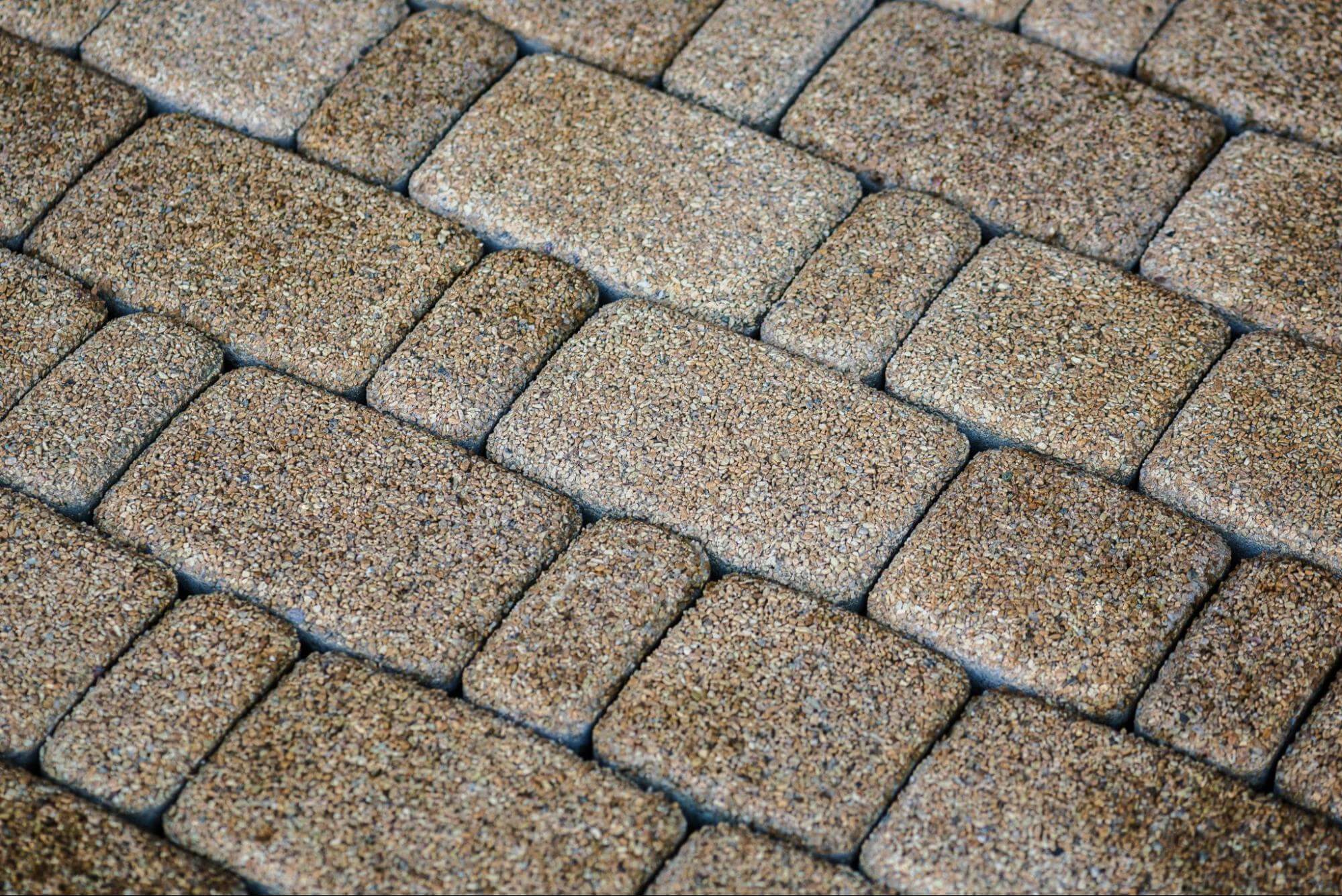
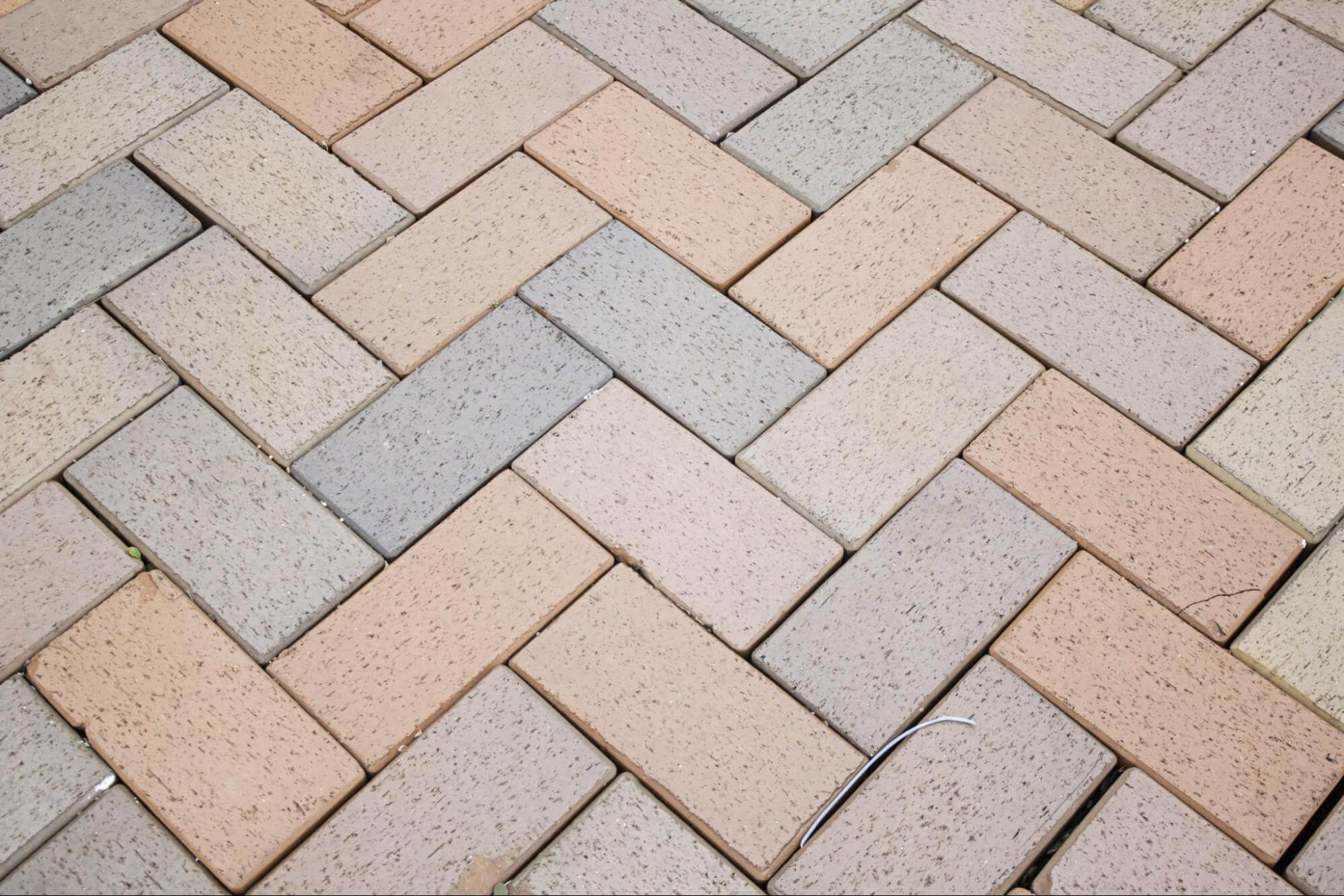
Yes. Manufacturers offer permeable paving products in many shapes, textures, and colors, so choosing a water-conscious system doesn't require giving up design flexibility. Pattern options depend on the specific paver selected because the joint openings must remain compatible with the intended drainage design.
Can you seal permeable pavers?
Some products may be compatible with certain sealers, but confirm the chosen product will not interfere with water entering the joints or surface. A coating that reduces infiltration could work against the reason you selected permeable pavement in the first place.
Can permeable pavers be removed to access something underneath?
Individual units can generally be lifted when access is necessary, which may be useful where underground utilities require future work. Reinstalling the area still requires restoring the bedding and joint aggregate so the repaired section maintains the intended surface elevation and infiltration characteristics.
Water Below the Surface Matters Too
Permeable pavement explains one way to manage rainfall, but what about conventional pavers when water reaches the layers underneath them? Continue with Do Pavers Need Drainage? What Happens When Water Gets Underneath to learn how trapped or poorly directed water can affect the base, joints, and finished surface.
GOT A PAVER PROJECT IN MIND?
Free estimates across Cape Coral, Fort Myers, Naples and beyond.

.webp)